Tiếng Việt
 English

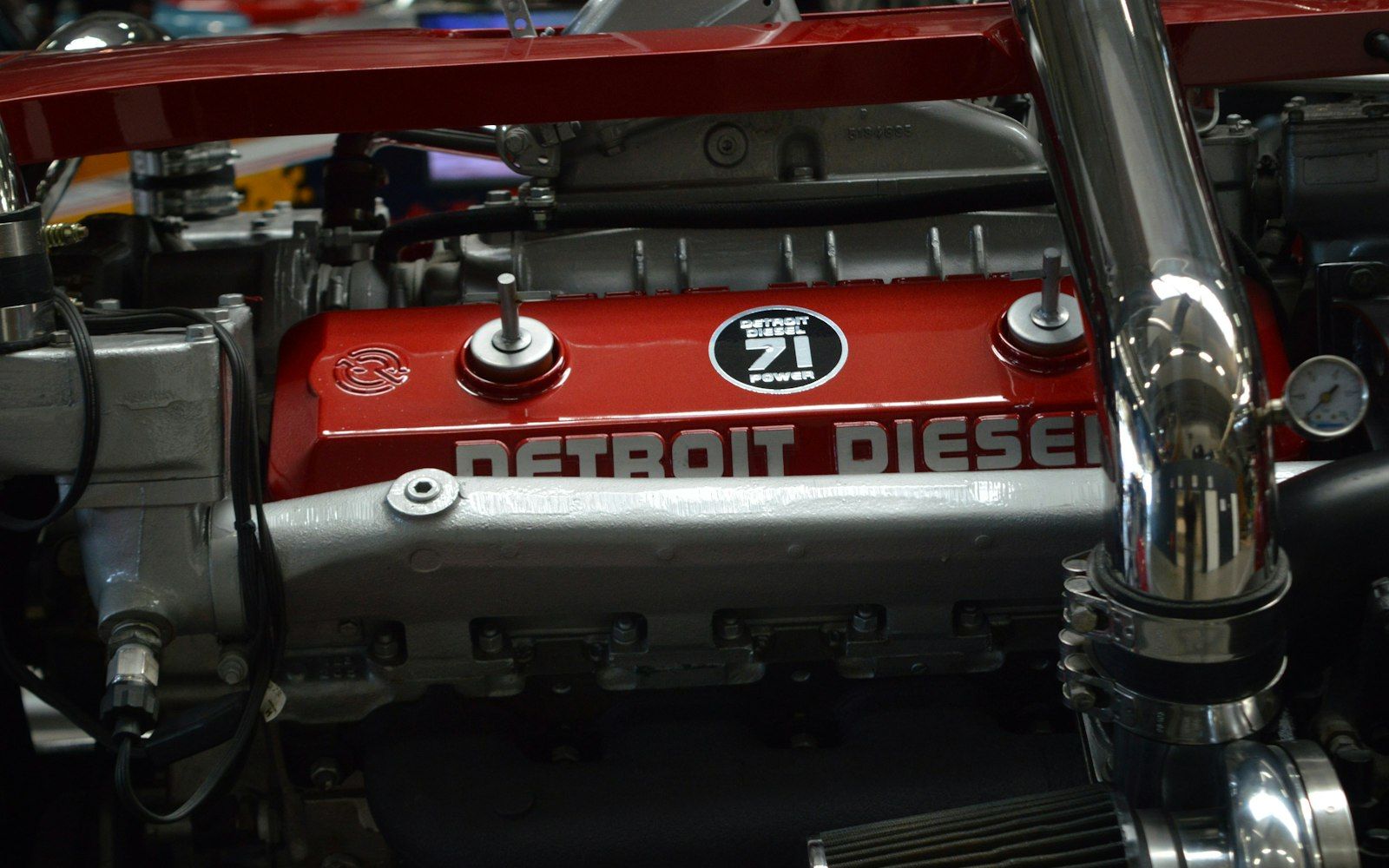
A well-timed overhaul can give an engine tens of thousands more hours. Here are the signs, the main steps and how to choose replacement parts.
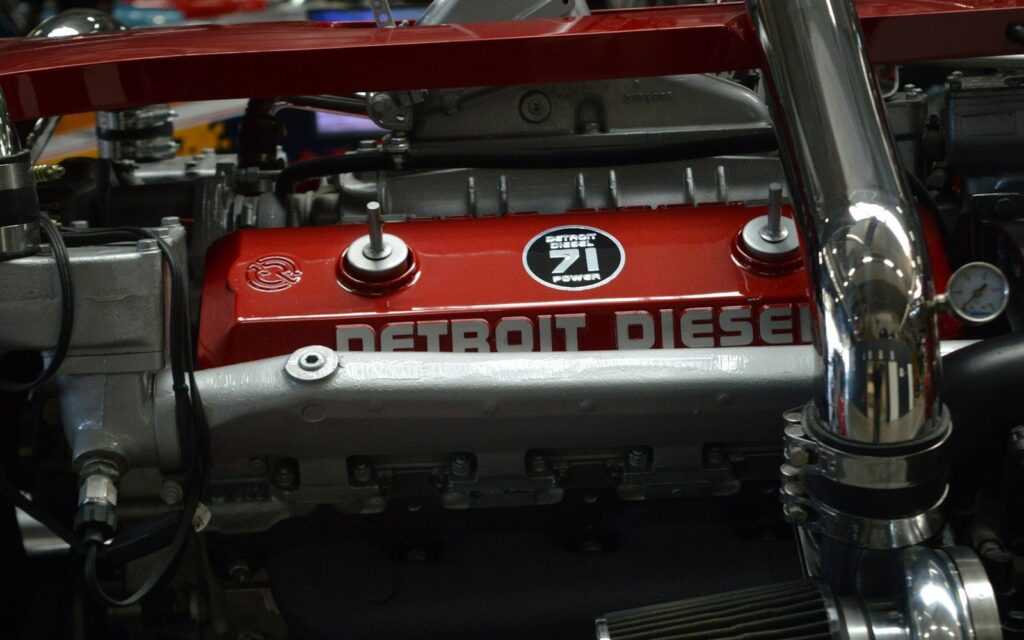
An overhaul means stripping all or most of the engine to measure, machine and replace worn components. The decision should rest on measurements, not running hours alone.
Signs it is time
- Low and uneven compression across cylinders.
- Clearly higher oil consumption, persistent blue smoke.
- Oil pressure drops when hot, metal particles in the oil.
- Power loss even after fuel and air systems are serviced.
Main steps
- Diagnose and record the engine’s condition before stripping.
- Dismantle, clean and measure liners, pistons, crankshaft, camshaft and bearings.
- Machine where needed (crank grinding, boring, valve lapping).
- Fit an overhaul gasket kit, pistons, rings, bearings, seals and any out-of-tolerance parts.
- Assemble to specified torques, run in and load test.
Genuine or equivalent parts?
Critical parts such as pistons, liners and bearings should be genuine or a reputable equivalent with full documents. What matters is the correct part number, specification and traceable origin. See TTT’s engine parts.
After the overhaul
Change oil and filters after run-in and monitor oil pressure, temperature and exhaust for the first 100 hours. TTT hands over a measurement report and the next service schedule with every overhauled engine.
Need advice or a quote? Send the part number or a photo of the nameplate through our quote form or call 0909 580 181 – TTT engineers reply within the working day.